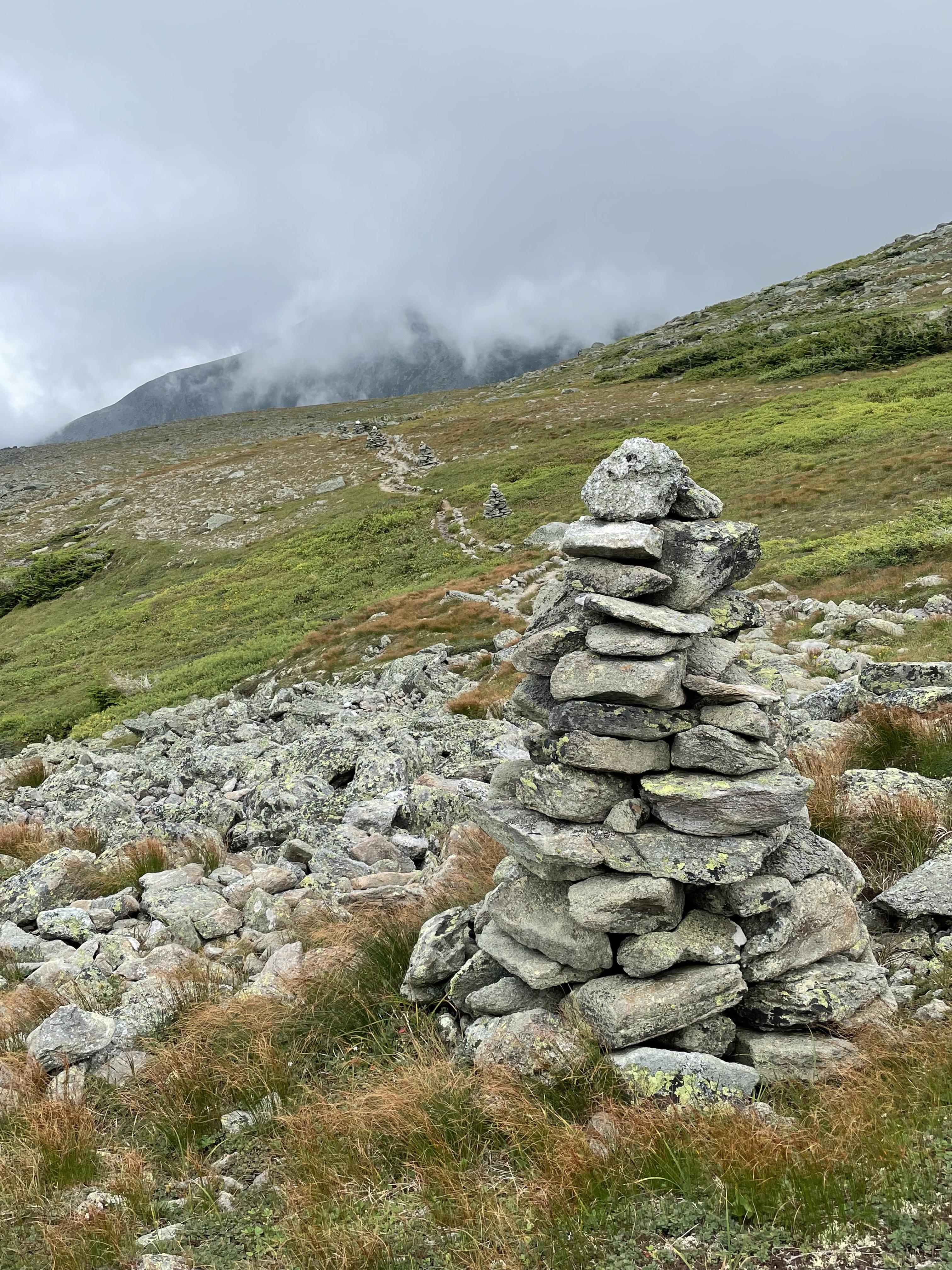

Cairns: Why they matter and what to do (or what not to do) when you see one
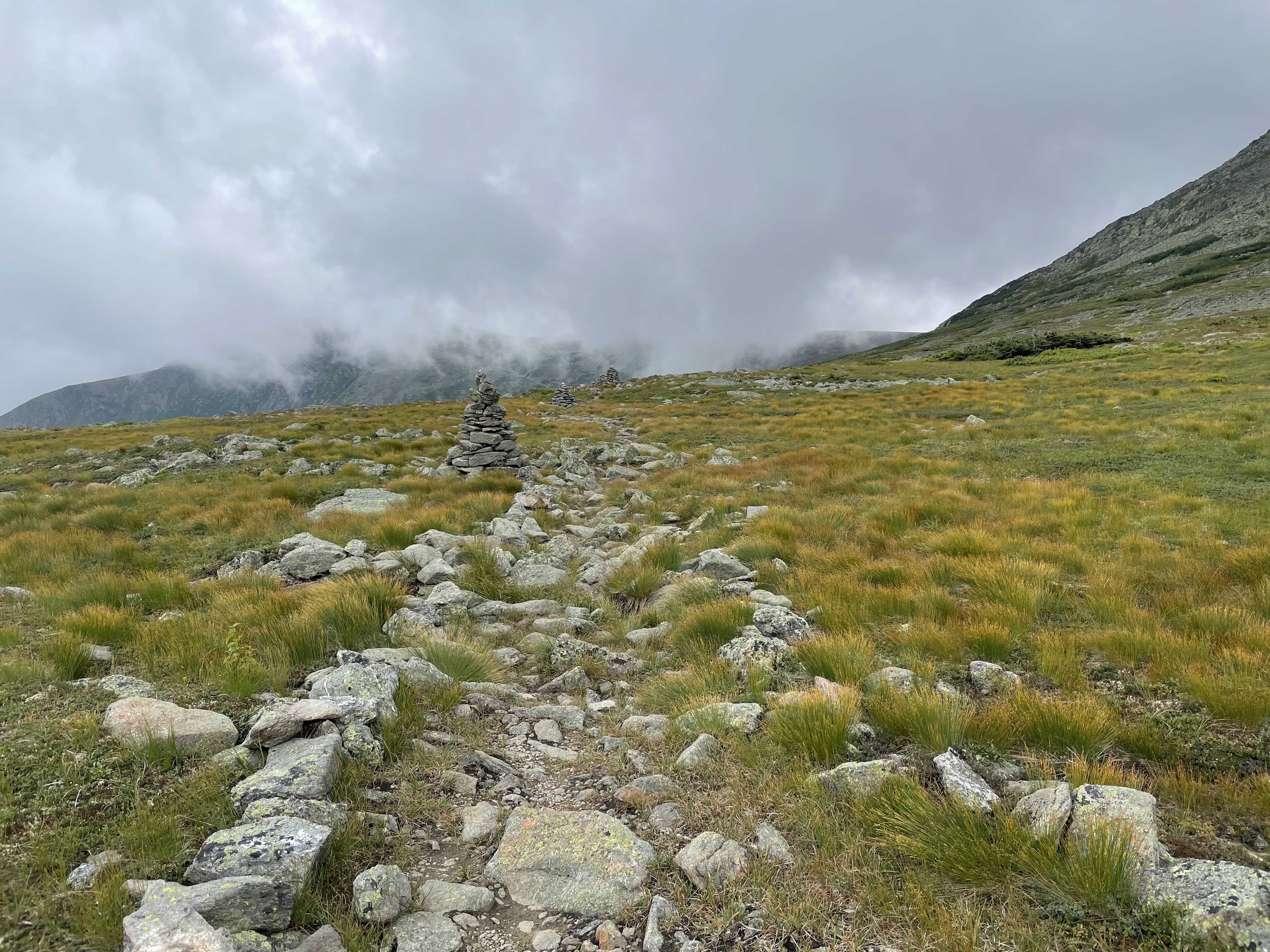
If you’ve ever spent time hiking above tree line, you’ve likely followed a line of carefully stacked rocks leading across an open ridge. Those rock piles, known as cairns, are much more than scenic photo opportunities for a hiker with an artistic flair—they’re a crucial piece of staying safe in the mountains.
On alpine terrain, traditional trail markers can be difficult or impossible to install. Cairns provide a reliable way to guide hikers across these environments, especially when visibility changes because of fog, rain or snow.
Every official cairn is intentionally placed by trail crews and managers to help hikers stay on the designated route. Following them helps prevent hikers from wandering into dangerous terrain.
Cairns and Leave No Trace
Respecting cairns is a simple way to practice Leave No Trace principles.
Leave No Trace encourages everyone to leave natural places as they found them. That means resisting the urge to build rock stacks, add to existing cairns or knock them down.
Leaving official cairns untouched helps preserve the natural character of the landscape while ensuring they remain reliable navigation tools for everyone who hikes after you.
A small action that makes a big difference
hikeSafe encourages hikers to make informed decisions that protect both themselves and the places they explore. Respecting cairns is one of those small actions that has a meaningful impact.
The next time you reach a ridgeline marked by a line of carefully placed cairns, remember that each one serves a purpose. Follow them, leave them untouched and help ensure they continue guiding hikers safely for years to come.