
Fall Hiking in the White Mountains: How to Avoid Getting Rescued
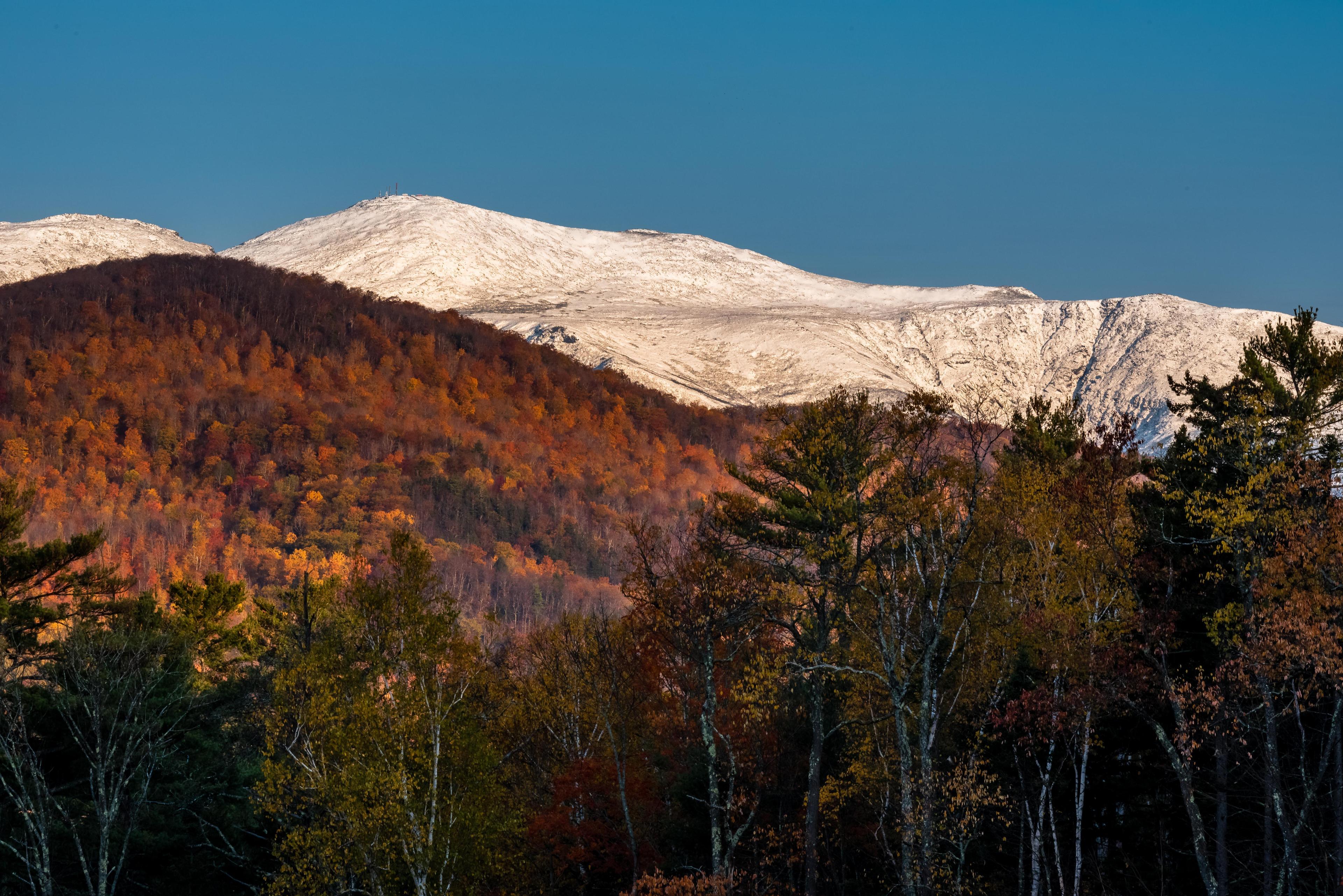
New Hampshire foliage season is world famous—here's what you need to know before you goFall is one of the most popular times of year to go hiking in New Hampshire’s White Mountains, and it’s no secret why. Some of the best foliage views in the world are found right here.
But fall is also a season that many hikers underestimate.
Fall in the valley can mean winter in the mountains
One of the biggest mistakes a fall hiker can make is preparing for the weather only at the trailhead instead of the summit or how it will change along the entire route. Temperatures drop as elevation rises, and the higher summits can experience freezing temperatures, strong winds, ice and even snow (sometimes in July!), while conditions down low might feel like a comfortable fall day.
In late October 2025, NH Fish and Game responded to a hiker on Mount Washington who encountered windblown snow, extremely limited visibility, temperatures in the low 20s and a wind chill of 3 degrees. Just a week earlier, another hiker required assistance from Franconia Ridge after heading out without food, water or a light as temperatures dropped and a storm approached.
Before every fall hike, check the forecast for the mountains. The Mount Washington Observatory Higher Summits Forecast provides detailed information about conditions in the mountains.
Dress for more than one season
Fall hiking often means starting cold, warming up once you begin climbing and cooling down again once you get to the top. Proper layers are essential to adjust as conditions and activity levels change.
Read more about how to layer your clothing here.
Watch what's under the leaves
The crunch of fallen leaves beneath your feet is one of the best sounds of fall, but those same leaves can also make trails more challenging.
A thick layer of leaves can hide rocks, roots, holes and uneven terrain. Wet leaves can become slippery on rock and exposed roots. The Appalachian Mountain Club recommends slowing down and allowing additional travel time when leaves obscure the trail surface.
Wear proper hiking footwear with good treads and pay attention to every step, particularly on descents. Trekking poles can also provide additional stability on steep or slippery terrain.
Later in the season, hikers should also check recent trail conditions for frost, ice or snow at higher elevations.
If the conditions require equipment you don’t have, or experience you don’t possess, don’t go. That’s right. Don’t go if you don’t know.
A smaller daylight window
Start your hike earlier than you would during the summer and determine a turnaround time before leaving the trailhead. Carry a headlamp or flashlight with extra batteries on every hike, even if you expect to be back well before sunset.
Don’t count on your phone as a flashlight. It may also be needed for navigation or emergency communication, and cell service throughout the White Mountains can be unreliable, which will eat away at your battery life.
Before leaving, tell someone where you are going, which trails you plan to use and when you expect to return.
Running out of daylight is a reason to turn around. Yes, it’s OK to turn around.
Don't let "peak foliage" decide for you
Foliage changes year to year. Weather, elevation and location all affect when colors reach their peak, which means there is no single guaranteed weekend to see them.
Current foliage reports and tools, such as VisitNH’s Foliage Tracker, can be more helpful than relying only on historical peak dates.
More importantly, don’t let a planned foliage trip be the reason you hike through poor conditions.
If the forecast calls for dangerous winds, freezing rain or snow, choose a low-elevation hike. If a trailhead is overflowing, have a backup plan. If a trail is beyond the ability of someone in the group, turn around.
A backup plan should always be a part of the original plan.
Peak foliage means peak crowds
Fall foliage brings a significant increase in visitors to the White Mountains, particularly on the weekend.
In October 2024, heavy foliage traffic in Franconia Notch delayed rescuers responding to an injured hiker. NH Fish and Game received the call at 1:45pm but traffic prevented the rescuers from beginning up the trail until after 3pm.
Treat trailhead access as part of your safety plan. Arrive prepared with an alternative hike, park only in designated areas and never create your own parking spot along a road or in an unsafe location.
If the parking lot is full, go somewhere else.
Artists Bluff
Few fall hiking locations have become as recognizable as Artists Bluff in Franconia Notch. Some photos might make it seem like it’s a quick hike or a roadside overlook, but it isn’t.
Artists Bluff is reached by a mountainous trail with rocky, uneven terrain and portions of it are challenging and steep. Shorter distances do not mean proper footwear, water, appropriate clothing and basic preparation aren’t required.
Sandals, flip-flops and other footwear without adequate traction are not appropriate for the trail.
Crowding has also become a serious issue during foliage season. In 2024, massive crowds packed the trail and overlook, creating bottlenecks and unsafe conditions. Afterward, park employees carried bags of litter off the trail.
In response, New Hampshire State Parks introduced additional measures in 2025, including a one-way hiking pattern during peak periods, increased staffing and signage about trash facilities. Visitors should check current park information and follow all posted directions before starting the trail this fall.
If you do plan to visit Artists Bluff, don’t be part of the problem. Come prepared, pick up after yourself and help protect one of New Hampshire’s most iconic foliage views.
Fall marks the start of hunting season
Hikers are not the only ones enjoying New Hampshire’s forest in the fall. The state’s 2026 hunting season begins Sept. 1. Archery season for deer and turkey begins on Sept. 15, with additional hunting seasons opening later in October.
Hikers should make themselves easy to see. Wear blaze orange or another highly visible color on a hat, vest, jacket or backpack. Dogs should also wear bright or reflective gear.
Stick to marked trails, keep pets under control and stay aware of your surroundings.
Give wildlife extra space
Fall also changes wildlife behavior.
For moose, fall is rutting season. Bulls can become more aggressive and less predictable as they compete for mates. If you encounter a moose, give it plenty of space. Never approach or corner it, and if it’s blocking the trail, go well around or turn back.
The same basic rule applies to all wildlife: observe from a distance.
Never approach an animal for a photo or feed wildlife. Keep dogs under control, secure food properly when camping and remember that a wildlife sighting should never become an interaction.
Fall in the White Mountains can be one of the best times of year to hike. The views bring people here; preparation and smart decision-making gets them home.
Be sure to review the Hiker Responsibility Code and the 10 Essentials before getting out on the trails this fall.