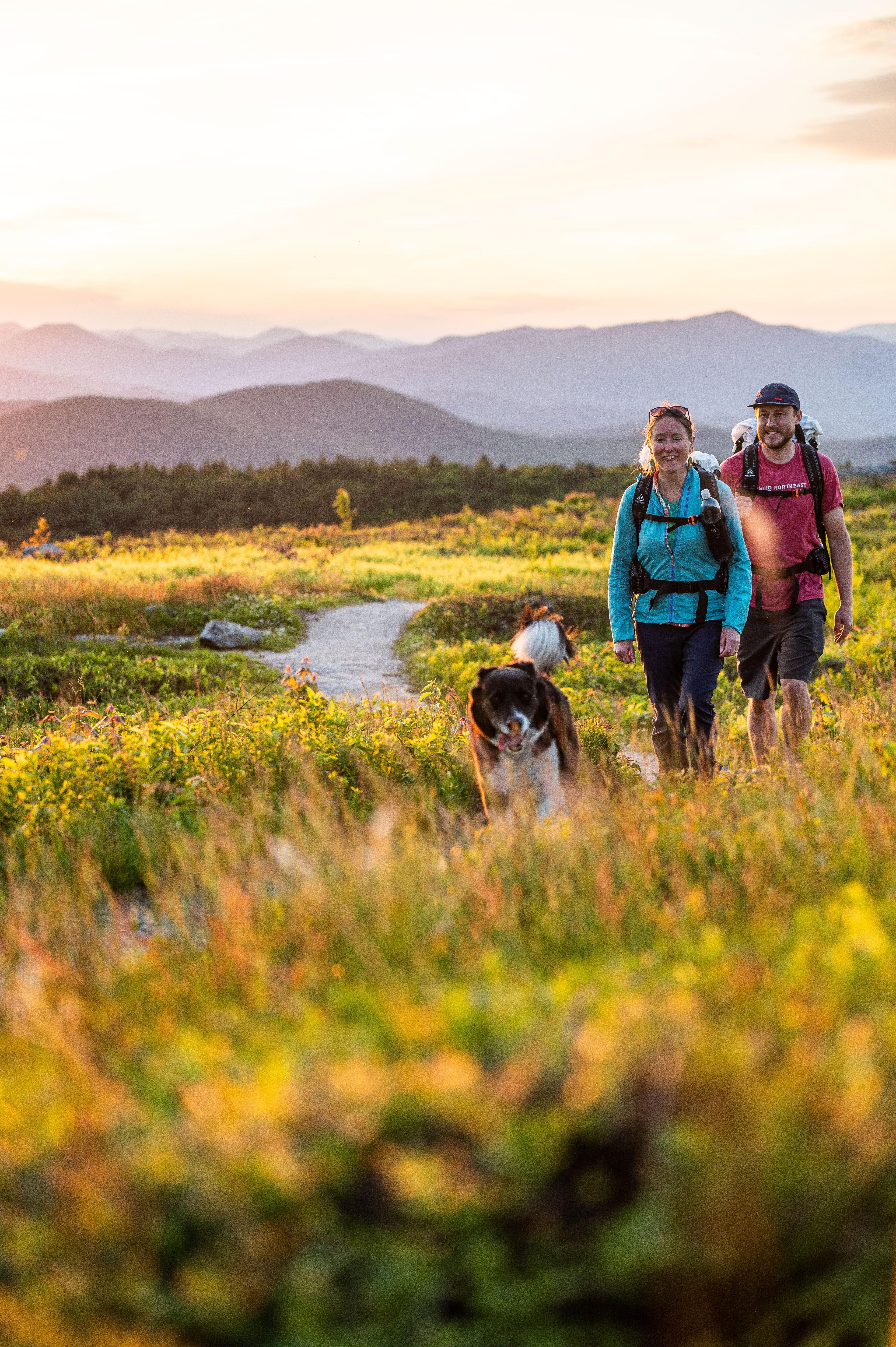

Hiking with Kids and Pets Safety Tips
Whether you're introducing your toddler to their first trail or bringing along a four-legged friend, preparation is crucial and can make or break your journey. Kids and pets tire faster, become dehydrated easier and may not always recognize hazards the way adults do. Planning can help ensure everyone has a safe, enjoyable day outdoors.
Choosing the Proper Hike
Considerations
- Distance
- Elevation
- Difficulty/Level
- Weather Conditions (these are always susceptible to change, and can be unexpected.)
- Pet/Leash Regulations
The 10 Essentials
Adults
- HikeSafe Card
- Whistle
- Rain Jacket and Pants
- Fire Starter and First-Aid Kit
- Water and Food
- Pocket Knife
- Warm Clothing: fleece, jacket, or vest
- Headlamp or Flashlight
- Compass and Map
Tips for hiking with children
- Teach children that if they think they’re lost, they should stay in one place.
- Dress children appropriately for the hike. Closed-toe sneakers or hiking boots provide better protection and stability than sandals.
- Encourage children to carry a small pack with the 10 essentials.
- Explain why games like hide and seek are not safe for the trails.
- If your child hears a noise, teach them to make a noise back.
- Help children understand the importance of Leave No Trace by carrying out all trash and being mindful of the natural environment.
- Reassure children that if they end up lost, their safety is top priority, not worrying about getting in trouble.
- Teach children about wildlife, inform them of staying calm.
Tips for hiking with Pets
- Make sure the terrain you plan to hike is suitable for your dog.
Not all trails, surfaces or conditions are dog-friendly. Steep, rocky or technical terrain can be tough on paws and joints, while hot sand or pavement can cause burns. Weather, distance and elevation gain all play a role in how safe and manageable the outing will be. It’s also important to consider your dog’s age, fitness level and temperament—what’s easy for one dog could be overwhelming or even dangerous for another.
- Your dog should be well trained and should respond to voice commands.
- Your dog should have a collar with an ID tag that has your contact info.
- Some areas require leashes for dogs, and it is always good to be prepared with a leash.
Many hikers use a waist belt system for day hikes, or a leash that can clip to their pack. You may want to add a small bell to the collar; the sound can help you know where your dog is when off-lead.
- Discuss your plans for hiking with your dog with your vet.
If you plan to have your dog help carry the load, ask your vet if this is OK and how much your dog can carry. Typically young and healthy dogs can carry up to 25% of their body weight.
- If your dog will be carrying a pack, be sure you fit it properly.
If you tighten the straps too much, the dog won't be able to breathe properly; if they're too loose, the pack could slip off or chafe.
- Stop to check your dogs for cuts and ticks during the hike, as well as after.
- Since dogs can't sweat, avoid hiking during the hottest part of the day.
According to PetMD, generally, a dog will need approximately one ounce of water per pound of their body weight for an average day's hydration. However, a dog that will be participating in strenuous activity may need more.
Trail Safety Tips
- Stay together.
- Children and pets can become distracted quickly: establish clear boundaries.
- Watch for signs of fatigue.
- Slower pace
- Excessive sweating or panting
- Irritability
- Frequent stumbling
- Take breaks often, especially in warmer weather.
- Hydrate early and frequently.
Making Your Journey Fun and Enjoyable
For Kids:
- Let them guide in navigation through trail signs.
- Look for fun plants and wildlife signs.
- Celebrate milestones along the way.
For Pets:
- Schedule breaks for curiosity and sniffing around.
- Bring your pet’s favorite treats.
- Opt for pet-friendly trails.
What matters most is everyone returning home safely. Preparation is your most crucial piece of gear. Before all your adventures, review your HikeSafe card, pack the 10 essentials, and know before you go. This preparation can make or break your hike, especially when hiking with children and pets.
HikeSafe Card
What’s A HikeSafe Card?
A HikeSafe NH Card is a voluntary annual membership card that exempts outdoor recreationists from liability for rescue costs from within the state, provided the emergency was not caused through reckless behavior.
Where Do I Purchase A HikeSafe Card?
A HikeSafe Card costs $25 per individual, and $35 for families. The card can be purchased here: Purchase A HikeSafe Card