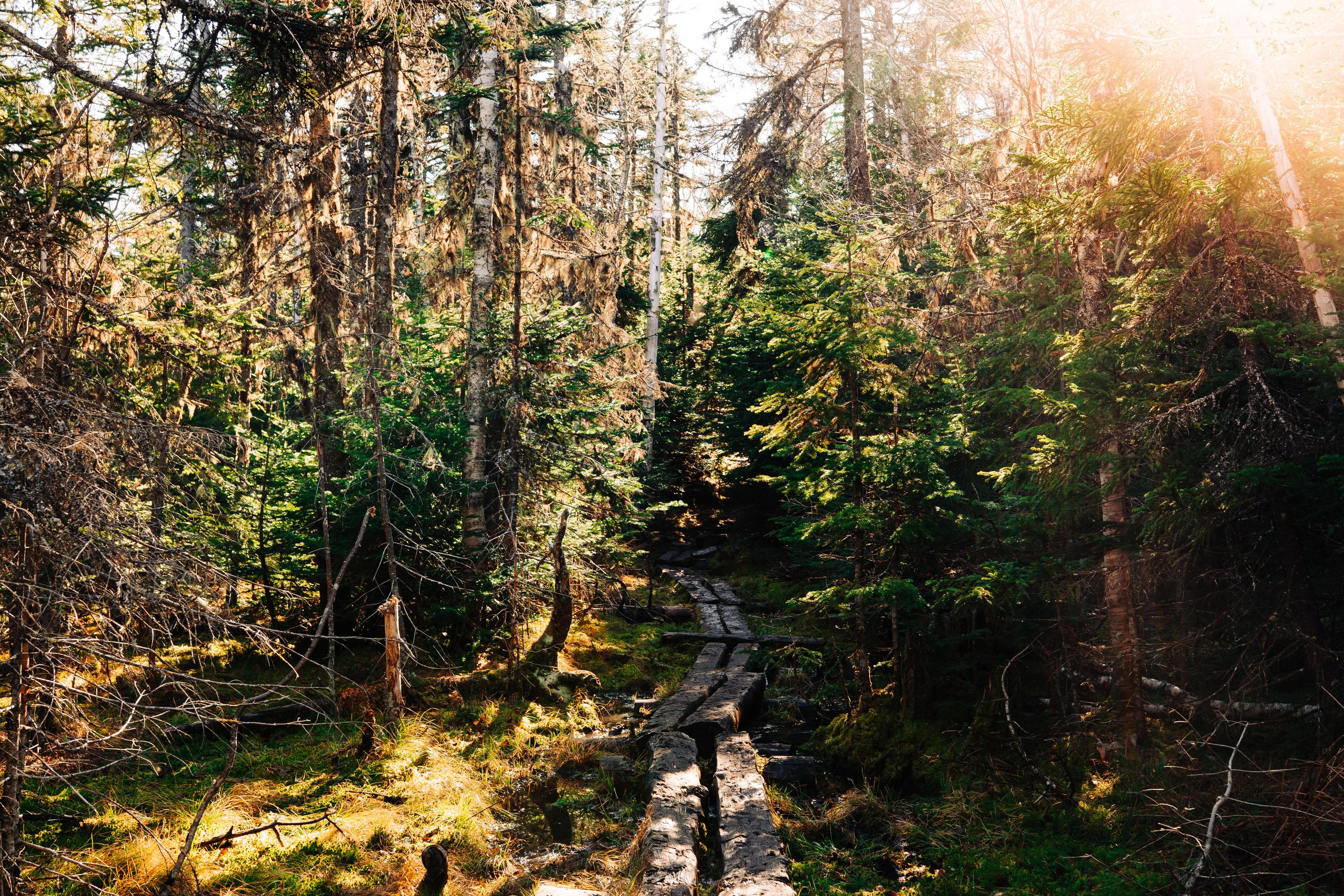

Injuries on the trail: Prevention, treatment and seasonal hazards
Injuries and unexpected challenges can happen on any hike. Changing weather, uneven terrain and small mistakes can quickly turn into bigger problems. Before you hit the trail, take the time to understand how to respond to injuries or unexpected hazards.
What to do if you're injured during a hike
First Steps
- Stop and Asses: Check the injury, your surroundings, your available gear and the weather. Understanding the full picture will help ensure you make the right decision.
- Stabilize: If you can move safely, get to a secure, sheltered spot.
- Call for help: If you have cell service, call 911 early. The sooner you call, the sooner first responders can map out a rescue plan. Delaying will only complicate the situation and increase risk
Immediate Precautions
- Insulation: Use layers, spare clothing, a backpack or natural materials (leaves, pine boughs) to stay warm and keep yourself off the cold ground.
- Stay visible: Bright clothing, a headlamp, reflective gear or even spreading items around you can make you easier to spot.
- Ration: Use water, food and battery life intententionally. Preserve what you have in case you are waiting longer than expected.
- Stay put: Remaining in one place is often safer and increass your chances of being found quickly.
Winter Hazards
Avalanches
How to recognize vulnerable terrain
- Slopes between 30 and 45 degrees
- Gullies, ravines and old slide paths
- Steep slopes above
Signs of unstable snow
- Cracks forming around your steps
- Rapid warming, strong sun or heavy new snow
- Wind-loaded drifts on slopes
If you must cross avalanche-prone terrain...
- Travel one at a time
- Stay on the edges
- Move steadily
- Watch for cornices above you
If an avalanche starts
- Move to one side of the slide
- Drop loose gear
- "Swim" to stay near the surface
- Protect your airway with your hands
Snow Hazards
Snow Bridges
- Approach cautiously—look for sagging, thin spots or discoloration
- Probe with a pole or sturdy stick before stepping
- If you hear water running below, assume the snow is weak
Spruce traps and tree wells
- Deep pockets around the pase of spruce and fir trees
- Can be several feet deep
- If someone falls in, don't pull from above; dig out around them to free their legs
Cornices
- Overhanging shelves of wind-packed snow that form on the downwind side of a ridge
- Stay well back from the edges of ridgelines
- Choose routes that keep you on a clearly supported terrain
Summer
River Crossing
According to the National Park Service, Most river-related rescues don’t happen because of dramatic flooding—they happen because of slips, loss of balance and cold water.
- If you know you will have to cross a river, pack an extra pair of shoes to change into. Crossing barefoot can expose your feet to submerged hazards.
- Algae-covered rocks can be extremely slick
- Shallow water can still be powerful. Even knee-deep water can knock a hiker off their feet.
- Cold water reduces strength and coordination quickly.
Blisters
- Never ignore the signs of a blister. Sometimes what feels like just a hot spot can already be a full-formed blister. Try to catch them early.
- If you catch it early, all you need is some adhesive cloth tape to cover it, which creates a tough, insensitive layer of skin on top of the area that was becoming irritated.
Multi-day hikes
Research shows that the first few days of a hiking trip are crucial to preventing blisters.
- A recent study shows that the majority of blisters occur on day two of a hike.
Treating Blisters
- Blister bandages with pads and gels
- Molefoam with a doughnut hole: Cut a large enough hole for the blister and then the surrounding foam will reduce further irritation.
hikeSafe Card
The hikeSafe Card (valid only in New Hampshire) helps support search and rescue efforts throughout the state while also reinforcing the key principles of responsible hiking. Those who obtain the cards are not liable to repay rescue costs. Any individual may still be liable for response expenses if the actions that created the need for emergency response meet criteria set forth by legislation (RSA 206:26-bb).