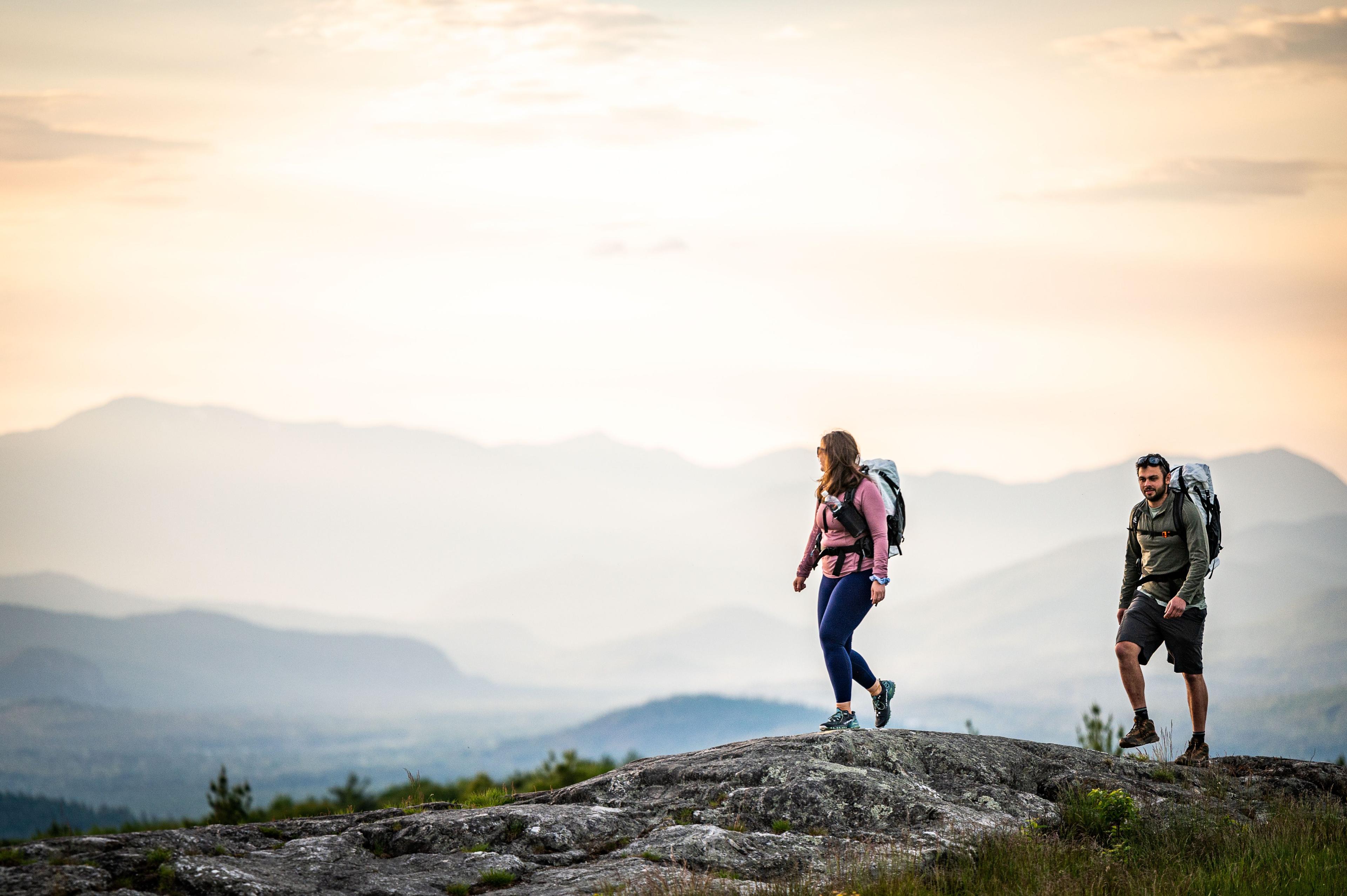

Three White Mountains hikes recommended by a local guide, plus essential hiking tips
The White Mountains have a well-earned reputation for being rugged. Many trails climb directly up the mountain with little relief, a design that shapes everything from footing to how hikers experience weather and fatigue throughout the day. According to Mike Cherim, owner of Redline Guiding, the steep angle of the trails means water flows straight down them, washing away soil and leaving behind rocky, uneven terrain that the White Mountains are known for.
The ruggedness is part of what makes hiking them so rewarding, but it also raises the importance of proper preparation, pacing and risk management. To help illustrate what hikers can expect on some of the region’s most popular routes, Cherim shared three hikes he often recommends in the White Mountains. Each highlights different aspects of the terrain, exposure and conditions that define this region.
MOUNT PIERCE
Distance: ~7 miles
Elevation: 4,310 feet
Mount Pierce is a great introduction to the White Mountains. The trail maintains a steady, consistent grade with no scrambles or technical surprises, making it an excellent choice for hikers who are building confidence.
Cherim describes Pierce as “looking into a crystal ball.” On clear days, the summit offers sweeping views of Mount Eisenhower, Mount Washington, Jefferson and Clay, giving hikers a preview of what could come next with enough experience. It’s a hike that rewards patience and is often used as a benchmark for understanding how your body and gear respond to White Mountains conditions
MOUNT MOOSILAUKE
Distance: ~7.5 miles
Elevation: 4,802 feet
Mount Moosilauke is a step up with longer exposure and more sustained time above treeline. Weather plays a big role here and conditions can shift quickly. Above treeline, the terrain is broad and open, with alpine footing that can feel forgiving in clear weather but demanding when visibility drops.
The summit offers wide, panoramic views that stretch across multiple ranges, but the real challenge of Moosilauke is endurance and exposure rather than technical difficulty. Hikers should be prepared for sustained time in the elements.
The Gorge Brook Trail is the most approachable option and a popular voice for hikers stepping into some of their first 4,000-footers, while the Beaver Brook Trail is far more demanding but also the most scenic. No matter which trail you choose, be prepared for sustained time in the elements, limited natural shelter and conditions that may feel very different from trailhead. This is why proper layering, pacing and weather awareness is essential.
MOUNT MADISON
Distance: ~8 miles
Elevation: 5,367 feet
Valley Way is the most direct route up Mount Madison, and it’s often described as relentless. Cherim recommends this trail for only advanced hikers with a deep understanding of pacing, layering and risk management in the White Mountains.
Those who take on the challenge should expect steady uphill effort from start to finish, with rocky footing throughout. As the trail climbs higher, it becomes increasingly exposed to wind and changing weather with conditions near the summit that are often much harsher than at the trailhead. The summit offers sweeping views across the Presidential Range, including Mount Adams and Mount Washington, but also be prepared for little shelter from the elements.
For advanced hikes especially, Cherim stressed the importance of planning for the worst-case scenario and packing with a 24-hour survival mentality. This approach prepares hikers for an unexpected night out and helps reframe how weather windows and turnaround times are evaluated.
GEAR TIPS
No matter where you hike, Cherim shared a few consistent gear principles:
- Dress to avoid sweating, not just to stay warm.
- Never wear cotton. Once it’s wet, it stays wet and will chill fast.
- Always check the extended forecast. This goes along with a 24-hour packing mentality.
- Winter specific: wear a balaclava and face glove for the best protection against frostbite
- Pack a 7mm cord for emergency hand-lines when descending steep terrain
Whether you’re new to hiking entirely, new to the White Mountains or looking to explore more advanced terrain, hiring a guide will help build skills, confidence and sound decision-making on the trail. Learn everything from foot placement and body positioning to mountain etiquette, weather interpretation and the history and geology that shape the terrain. Cherim explained that guides will seize upon teachable moments that make a meaningful difference in how hikers move, think and make decisions on the trail.